

A SPECIAL DINING EXPERIENCE IN THE HEART OF MÁL AGA CITY
RESTAURANTE VINO MÍO

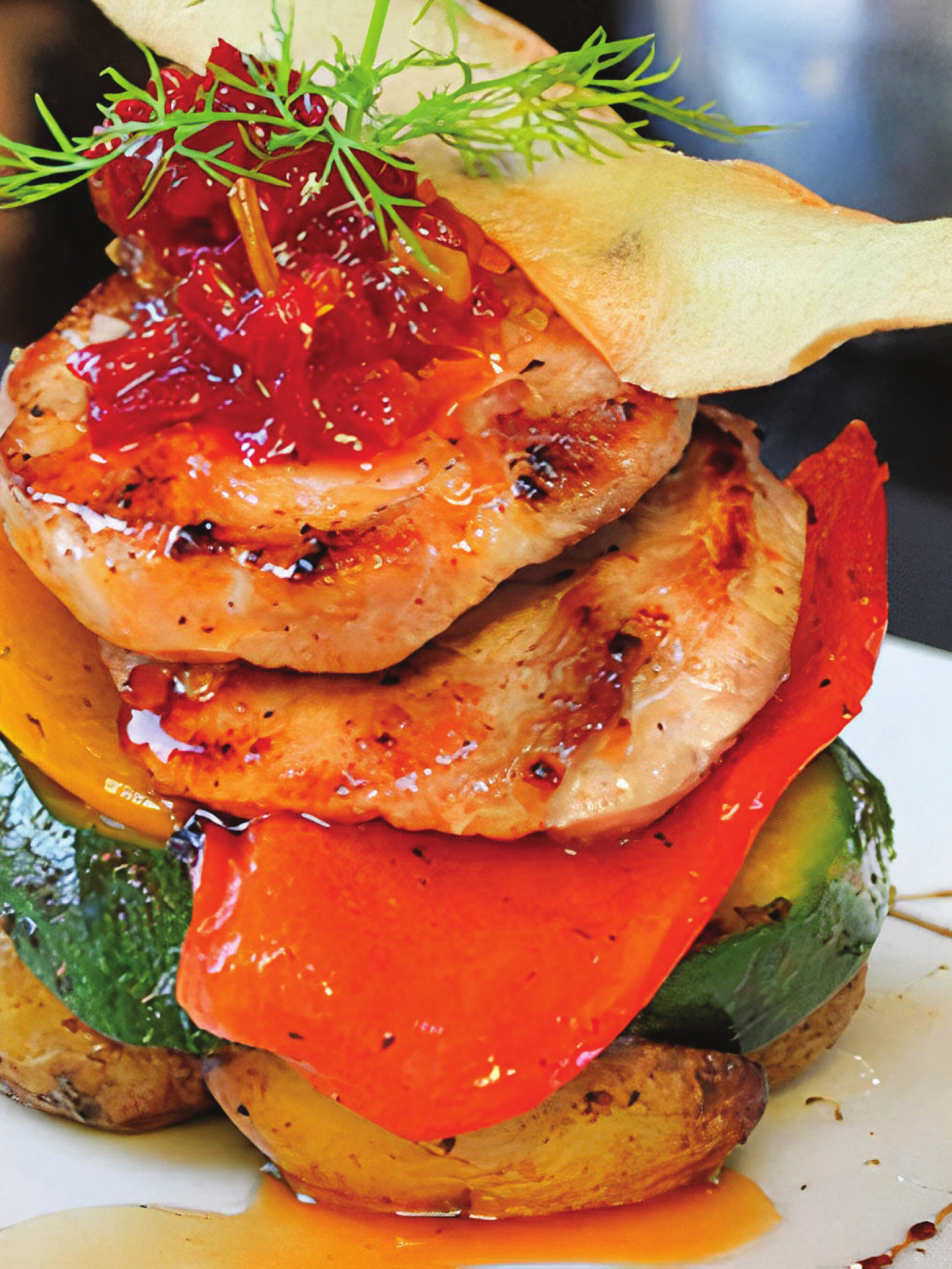
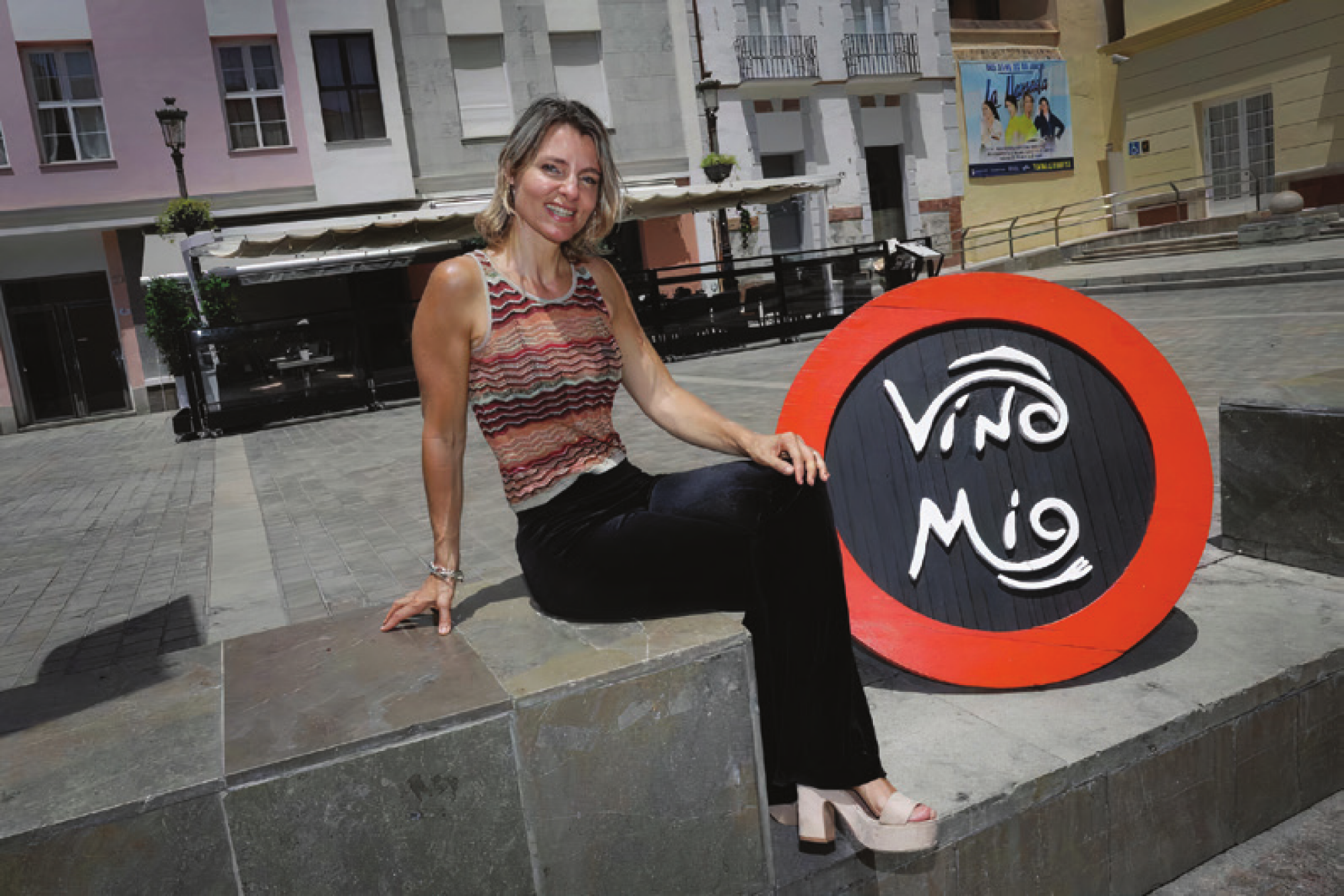
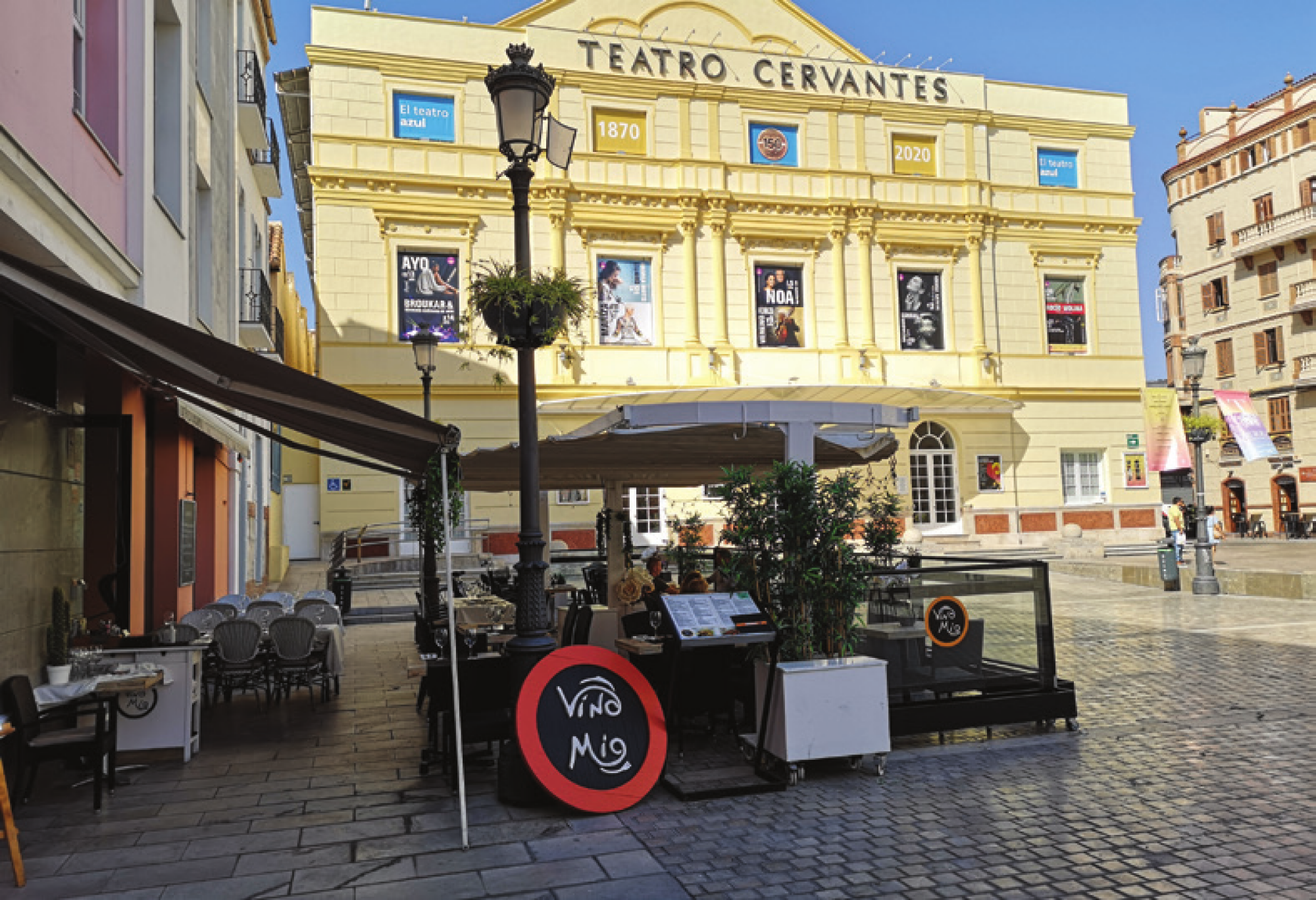
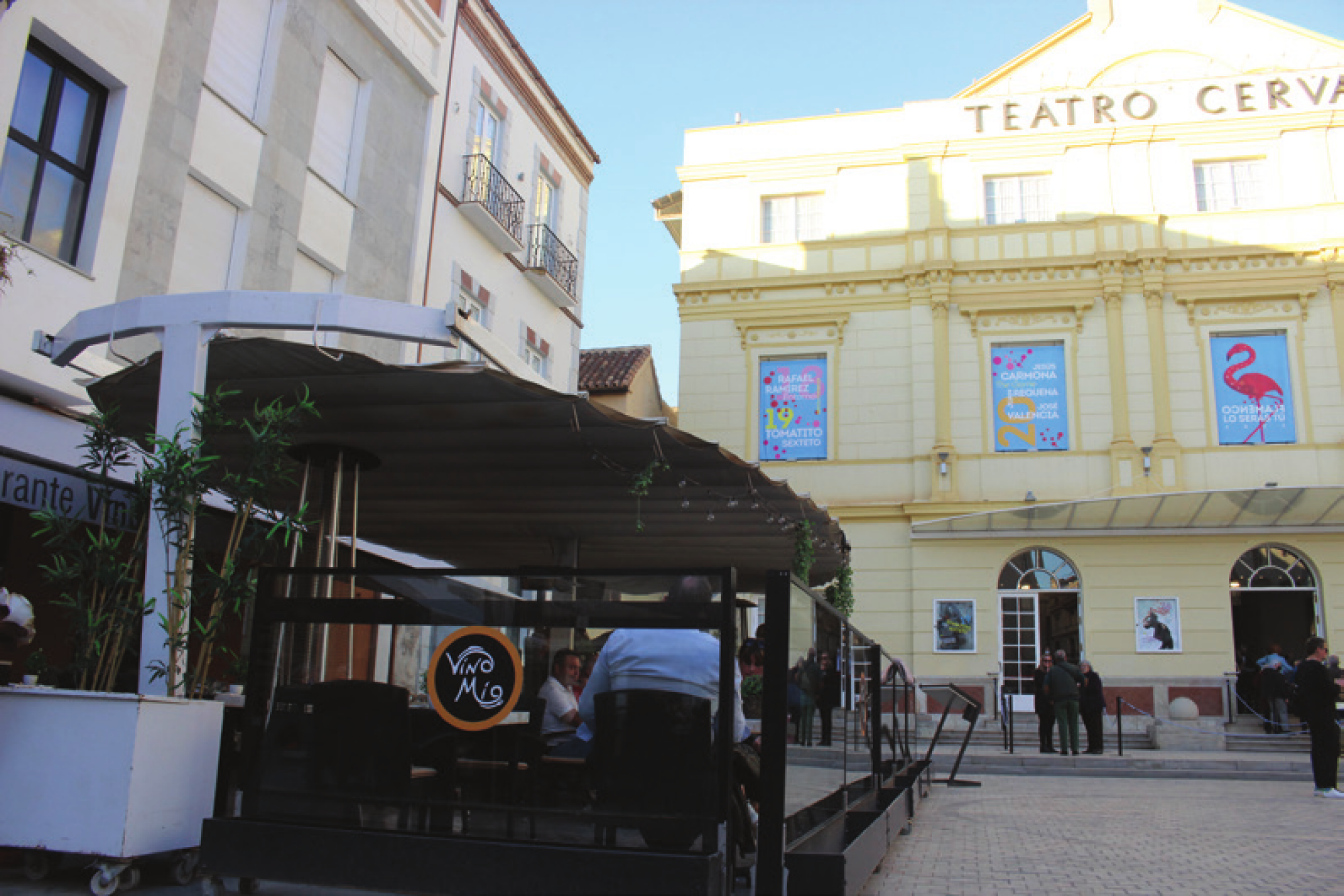
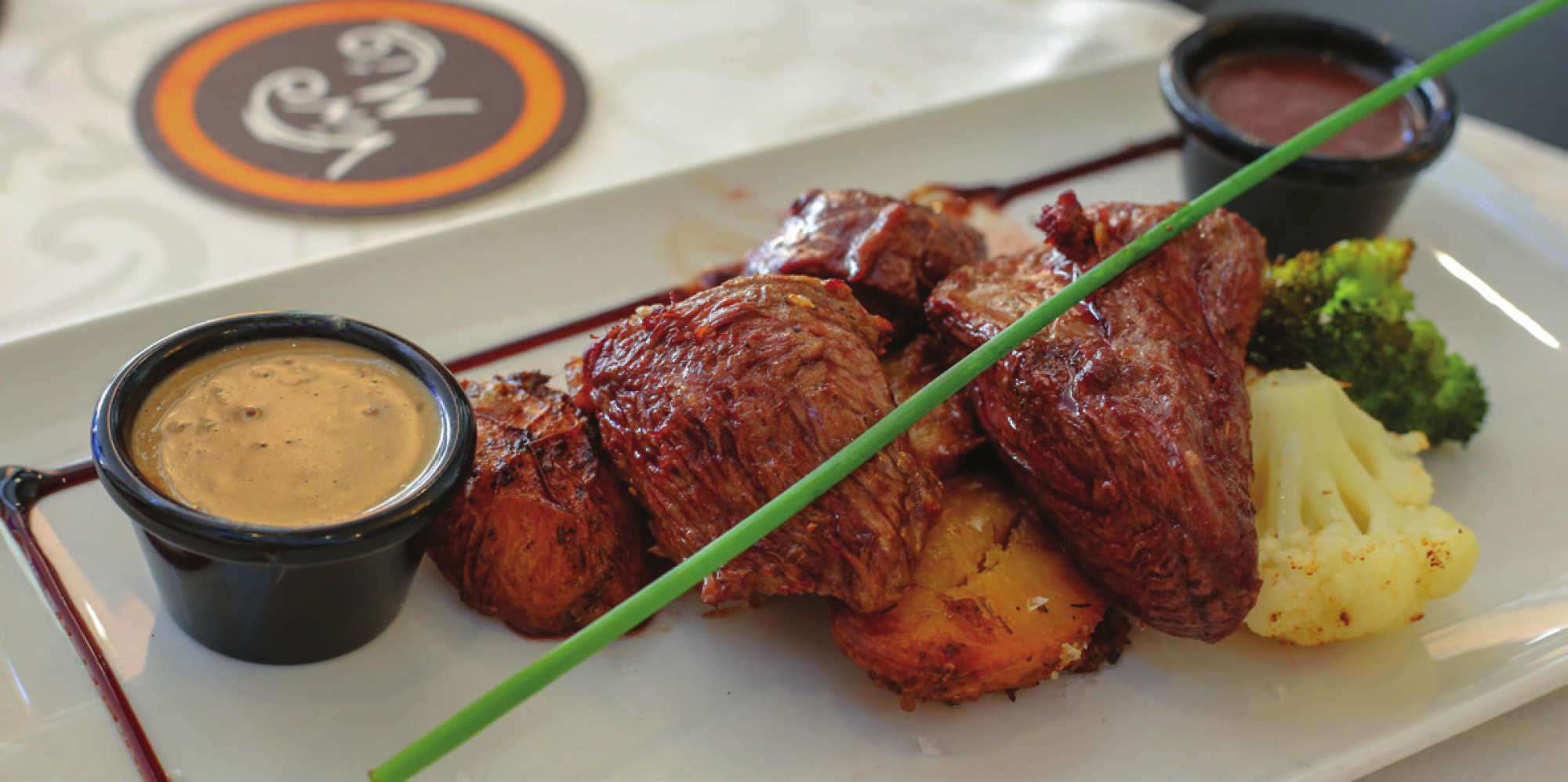
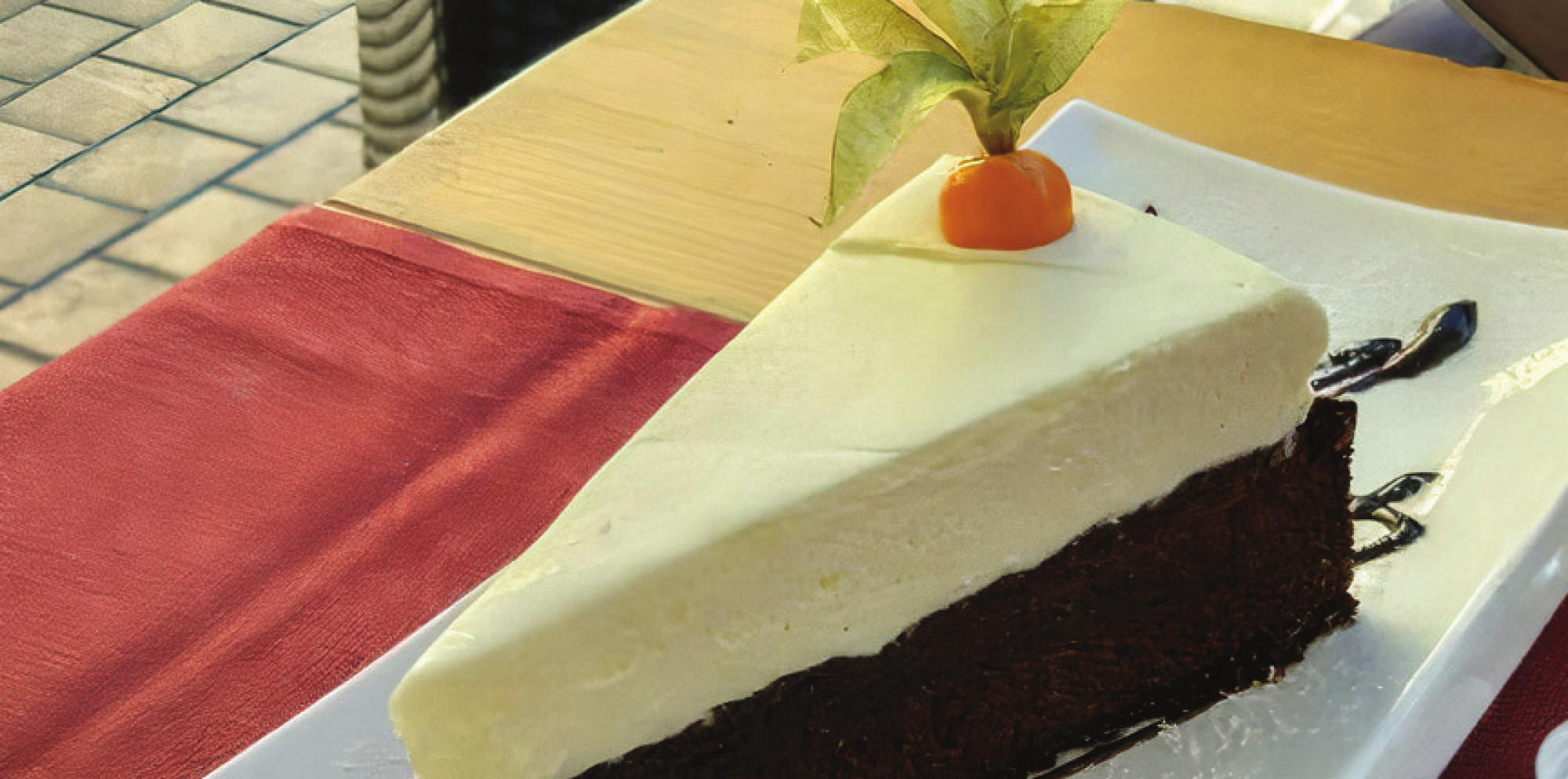
In Málaga city centre next to the famous Teatro Cervantes, you will find the Vino Mío restaurant, which has been established for an impressive 19 years and is the brainchild of Dutch entrepreneur Hélène Mostertman. Hélène is usually seen front-of-house overseeing the operation while greet ing and chatting to guests. An upbeat and positive young lady, she oozes happiness and warmth through her contagious smile, and this general feel ing emanates throughout the restaurant as the staff also seem happy to be part of her team and keen to create a warm and relaxing environment for the diners. The menu offers not only Spanish dishes but also a wide range of delica cies that Hélène herself has enjoyed on her worldly travels, featuring the likes of South African crocodile, Australian kangaroo tenderloin, tuna tataki and Moroccan Bouznika kofta – to name but a few of the many interesting op tions available, including vegetarian dishes. Unlike many of the neighbouring restaurants, their plating veers towards a more contemporary style and the decoration also follows suit, with an all-singing bar lit up in neon LED lights and slick polished wooden floors. Every evening in front of the bar a flamenco show is put on, and this has proven to be quite a hit with tourists, adding an authentic Spanish ambience to their dining experience. Diners can enjoy several performances and they are even invited to participate if they so wish (!).
Their flamenco show is a respectful nod to how culturally rich and vibrant Málaga is and, surprisingly, a rare treat for visitors to the city. Very few perfor mances take place there, making Vino Mío quite special in that respect. For those who would rather soak up the buzz of the city, there is outdoor dining looking out over the charming square of Plaza Jerónimo Cuervo. With the famous Cervantes theatre just across the square, art and culture play an important role in the area. Hélène has chosen to embrace this by supporting local artists, hosting exhibitions and displaying their works of art on her walls for all visitors to enjoy. Her charitable work doesn’t stop there however, as she is also an ambassa dor of the Ronald McDonald children’s hospital, a fundraiser for Cudeca, Piel de Mariposa and AECC, and a key collaborator in a project called Heal The World, which raises the profiles and helps generate funding for NGOs.
RESTAURANTE VINO MÍO Plaza Jerónimo Cuervo 2, Málaga Open Wednesday from 7pm and Thursday to Sunday from 1pm onwards. The flamenco show takes place every evening from 8pm to 9.30pm. Tel. (+34) 952 609 093 reservas@restaurantevinomio.es www.restaurantevinomio.es
A SOMMELIER’S GUIDE ON HOW TO COLLECT AND STORE WINE IN YOUR HOME
BY CASSIE M @WINEPOSTER
The storage of wines can be exciting, profitable and challenging for your patience. There are many obvious reasons why you would like to start storing wine. One could be that you want to keep a wine for a special occasion. Another, to impress your new acquaintance when he/she finally accepts your dinner invitation at home. It doesn’t have to cost a fortune to start, and you don’t even have to be an ace when it comes to using such nerdy and pretentious wine terms such as, “I can really smell the percentage of Petit Verdot in this Bordeaux blend”. Simi larly, you don’t have to mention the terroir of your Grand Cru Chablis. Relax… and just follow these easy steps.
Store your wine correctly: If you are lucky to own a wine cellar that’s great – otherwise you might start off with a wine fridge/cooler with similar attributes. Temperature control: Wines cannot store well with high temperature fluctua tions – a wine cooler maintains the same temperature all year. Store your bottles on their side: This is more important for long-term storage. A natural cork needs to be in contact with the wine to stay moist and keep oxygen out of the bottle. Correct humidity: This is important for long-term storage. If the air is too dry it could dry out the cork, allowing oxygen to enter the bottle and spoil your wine. If too wet, mould will surely start to grow. This will mainly cause damage to the labels and thus reduce the bottle’s value, which is especially important if you have plans to sell it. Between 50 and 70 per cent humidity is a good level to aim for. Avoid direct sunlight: Keep your wine in a place away from the sun, because UV rays react with the phenolic compounds in wine, creating sulphureous compounds. In other words, this will change the wine’s smell and taste for the worse. Now that your storage is resolved, it’s time to choose what wines to store. I suggest you start with a pleasant mix of wines with different prices and ageing preferences. Choose some classics, with good collector’s value and from highly respected wineries. You also might want to have different quality ranges, for everything from a cosy dinner at home to a wedding gift, or when you meet up with old friends.
Finally… some wine suggestions, including classics to start with.
CHAMPAGNE A must-have for either a planned or a hastily organised celebration. Buy at least one cheap bottle for any occasion, and one sought-after special Vin tage, Cuvée or Limited Edition. The cuvées are usually the more prestigious wines from a range and a great investment, depending on which brand.
BURGUNDY This famous area in France includes some of the most expensive wines in the world. Focusing on the more affordable ones, I suggest you take a look at Joseph Drouhin. They start from a Chablis from €25 up to a Montrachet Grand Cru for €800, with many wines in between from the same producer – including excellent-quality reds and whites. Collecting different wines from the same producer can be very rewarding and fun from a collector’s point of view.
ITALIAN I always suggest a great Barolo riserva, such as Fratelli Serio & Battista Bor gogno. Their vineyards are located on the famous Cannubi hill, described as
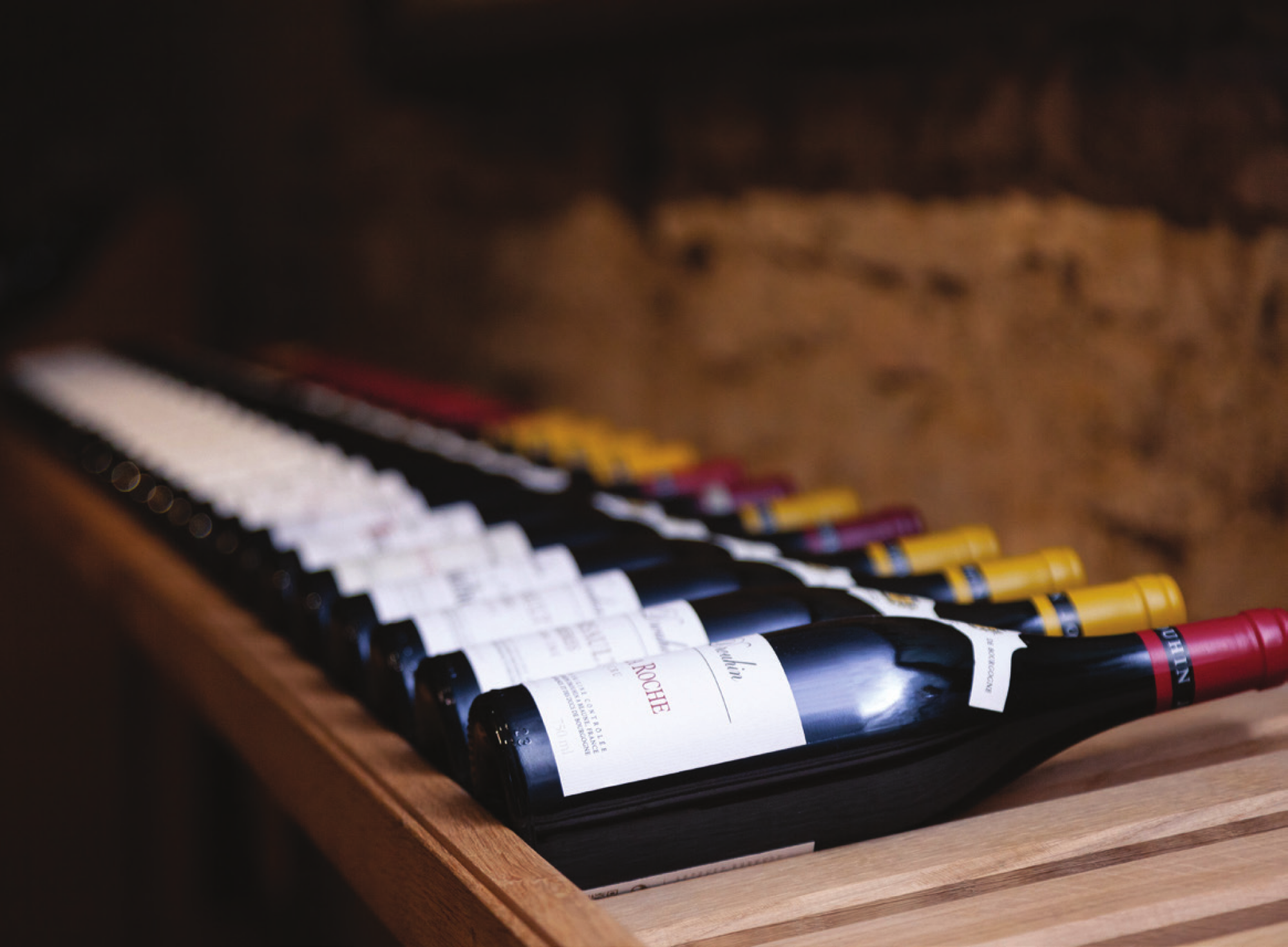
“A vineyard kissed by God” by James Suckling. He loves this place so much he even made a film about the area. The Barolo wines usually have high tannins, high acid, and great flavour complexity and length, so they normally have excellent ageing potential and will increase amazingly in value. You can expect to pay between €50 and €100 for a complex Barolo in the starting range. Then we can find a “Super Tuscan” like Sassicaia, from Tenuta San Guido. The average critics’ score for all Sassicaia vintages in history is 94 points, and many of the best vintages receive perfect 100 point scores. A classic must have for a wine collection, they are renowned for their excellent investment value. A bottle of Sassicaia 2018, for example, will cost around €250.
SPANISH R. López Heredia is one of my absolute favourite producers. A family-owned winery in Haro (Rioja) dating to 1877, they offer magical wine cellars and an excellent range of wines. Their Viña Tondonia Reserva is a classic favourite if you must choose only one of their reds, and it’s only around €35/bottle for the newest vintage (currently 2010). If you get your hands on any older bottles, buy them, as these wines are known for increasing in value. Their rosé and white wines are quite rare now – and have cult status among reserva wines.
If you want to know more about storage and collections for beginners or experienced-level wine lovers, do not hesitate to contact me as I offer a wine cellar service along the whole Costa del Sol. I find the best wines possible for your collection according to your wallet, preferences and purpose. From smaller wine coolers to advanced cellars, I can create a professional tai lor-made solution for a fixed-hour price at your home. No surprises – just a great service.
VINOTECA BAROLO Urb. Doña Lola 23-24, Calahonda (Mijas Costa) Tel. (+34) 666 324 214 Vinotecabarolo@gourmetyvinos.com www.vinotecabarolo.com

