Wine Notes
A Taste of Torres
By AJ Linn
Anyone with more than a passing interest in wine will be familiar with what is known as The Judgement of Paris. This blind tasting, organised in 1976 by an English negociánt, involved French experts comparing a selection of Californian wines with the best from Bordeaux and Burgundy.
Much to the chagrin of the French the Napa products triumphed, and the event gave rise to so much controversy that a book and a film emerged as a result. It did not help matters that a similar tasting organised some years later by Gault Millau pitted Ch Latour and other great clarets against, among others, Torres Gran Coronas. The Spanish wine won.
It is perhaps as good a tribute as any to the Torres family business that last year it won the “Most Admired Wine Brand in the World” award, conceded by a panel of 200 wine professionals for the publication Drinks International.
It was in 1870 that Jaime Torres returned from Cuba to his native Cataluña having made his fortune, and joined his brother in a winemaking venture. The showpiece of the new bodega, built at Jaime's insistence, was a 600,000-litre vat that at the time was the largest in the world, and in which King Alfonso XIII lunched during a visit to the bodega. It was later destroyed in the Spanish Civil War.
This was a bad time for the Torres family. The Republican anarchists had taken over Cataluña, killing indiscriminately. Jaime's son, Miguel Torres Carbó, survived by working as a pharmacist in Barcelona producing vaccines for the Republicans, but this did not stop the winery being compulsorily taken over by the workers, although in 1939 it was mostly destroyed, no doubt accidentally, by Franco's air force.
Miguel was briefly imprisoned but managed to flee to New York, where he was when the Second World War broke out. With the sudden drying up of French wine exports to the USA, he cleverly built up a successful business selling Torres products to a wine-hungry nation. The trade has grown exponentially ever since.
Even though the Spanish business was also blossoming, past experience had shown the family that if things can go wrong they generally will, so Miguel Sr despatched Miguel Jr (Miguel Torres, present chairman) to the New World. The resulting decision to set up an operation in Chile's Central Valley, favouring it over California, was the right one, but back then it was a dicey move.
Using new techniques such as stainless steel, temperature-controlled tanks, Torres bested the competition wherever it chose to make wine, and its subsequent acquisition of land in California in 1984 gave it an early foothold in Sonoma's Russian River Valley, later to become famous for its Pinots and Chardonnays.
In Spain, with brands like Viña Sol, Coronas and Sangre de Toro established as best sellers, a policy of expanding to other wine regions led to an assertive expansion programme.
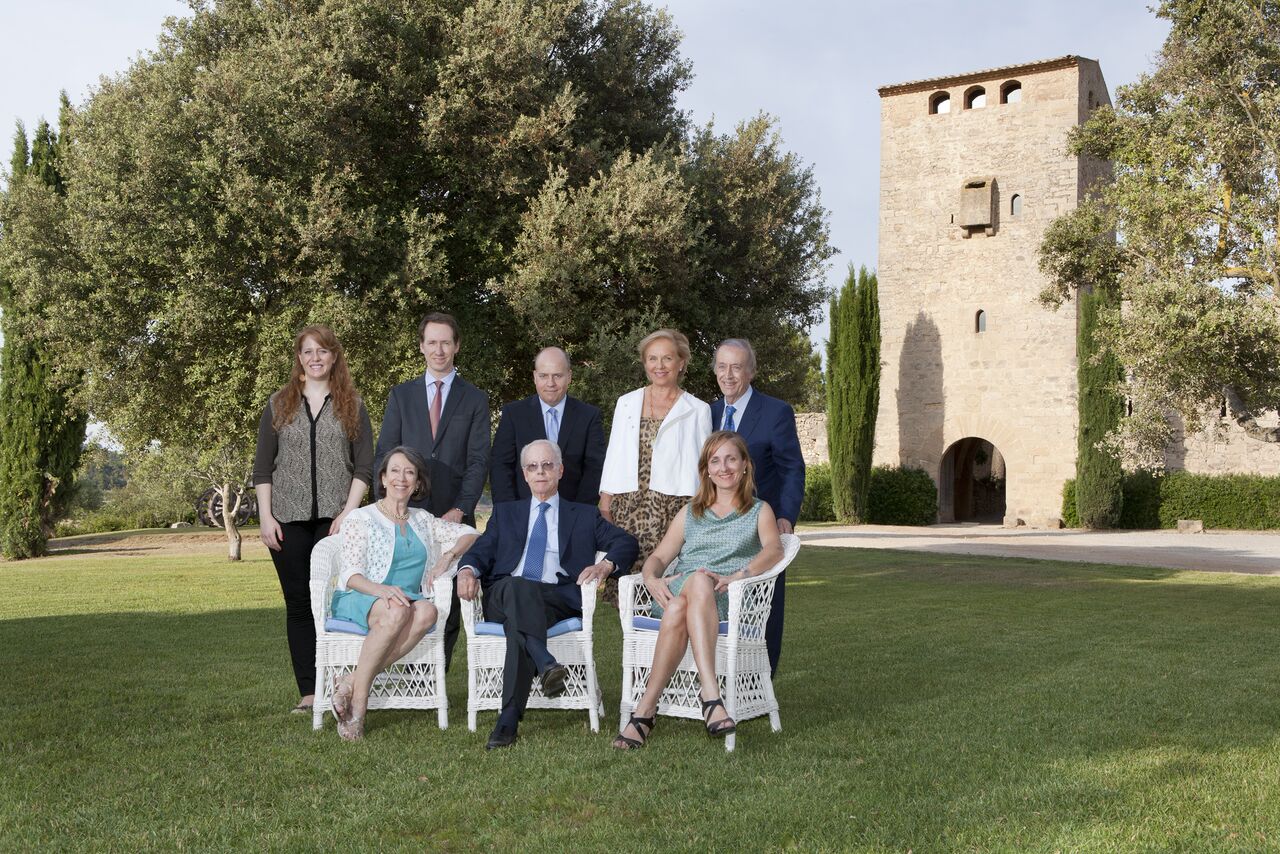
Miguel Jr's ambition though was to produce superior wine, and having studied oenology in France he successfully blended French and German grape varieties with the local stock. It is a happy coincidence that the German connection did not stop there. Miguel's wife, Waltraud Maczassek, runs the Torres Foundation, created in 1986 and active around the world supporting people in need, particularly disadvantaged children.
The firm's commitment to the environment is total. It stopped using pesticides 20 years ago and CO2 emissions are reduced year by year. Once again the policy of prevention being better than cure has resulted in future vineyard plots being acquired further inland and at higher elevations, on the basis that one day the present lowland vineyards will be too warm for grapes.
Miguel Torres's sister Marimar runs the California operation with daughter Cristina, and their Chardonnays are undoubtedly among the world's best. Back home Torres is now present in Conca de Barberà, Rías Baixas, Ribera del Duero, Priorat, Rioja, Rueda and Costers del Segre, as well as Vilafranca del Penedés and Catalunya. Exports go to more than 140 countries: 44 million bottles a year; €240 million in sales.
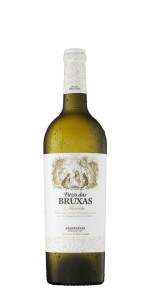
The Jean Leon brand is part of the group and the justly popular Torres brandies can be found everywhere, as can the more recently introduced organic and alcohol-free varieties. Although it is not something that can be said about all wine ranges from a single bodega, in Torres's case there is a consistency that only time and investment can achieve. Labels like Mas La Plana, Grans Muralles, Floralis, Gran Coronas, Milmanda, Santa Digna and Pazo Das Bruxas are a few examples of superb wines that are widely available internationally at reasonable prices.
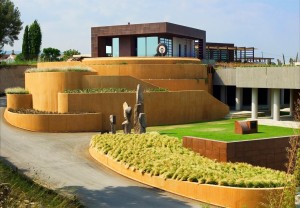
Bodegas Torres
www.torres.es